The Great Connector Reckoning: What the EU's USB-C Law Means for Your Phone Investment
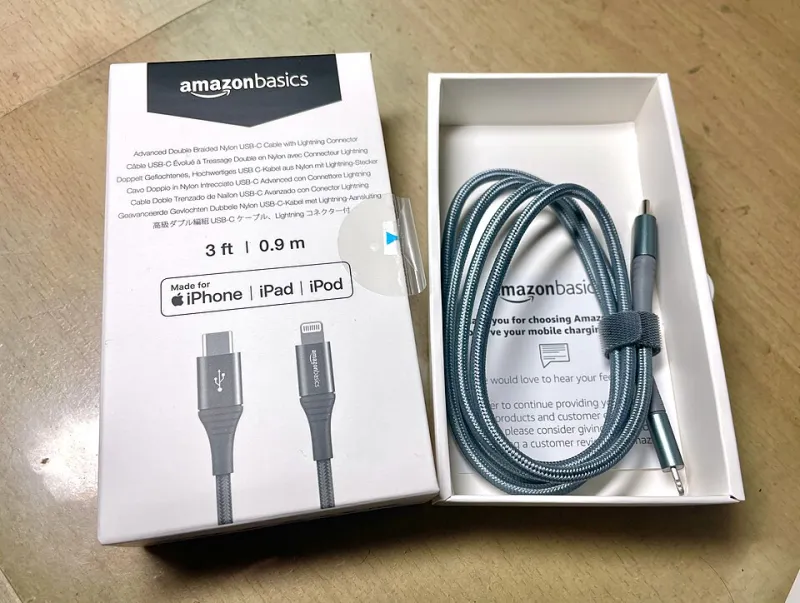
Photo: KKPCW(Kyu3), CC BY-SA 4.0, via Wikimedia Commons
For years, the connector wars felt like a low-stakes annoyance — a drawer full of incompatible cables, a frantic airport search for the right charger. But as of late 2024, things got serious. The European Union's Common Charger Directive is no longer a distant policy threat. It's law, and it's already rewriting the hardware roadmap for every major phone maker on the planet.
So if you're buying a new phone, tablet, or wearable in the next year or two, the connector on the bottom of that device is a bigger deal than it's ever been. Let's talk about who's winning, who's losing, and what you should actually do about it.
Where Things Stand Right Now
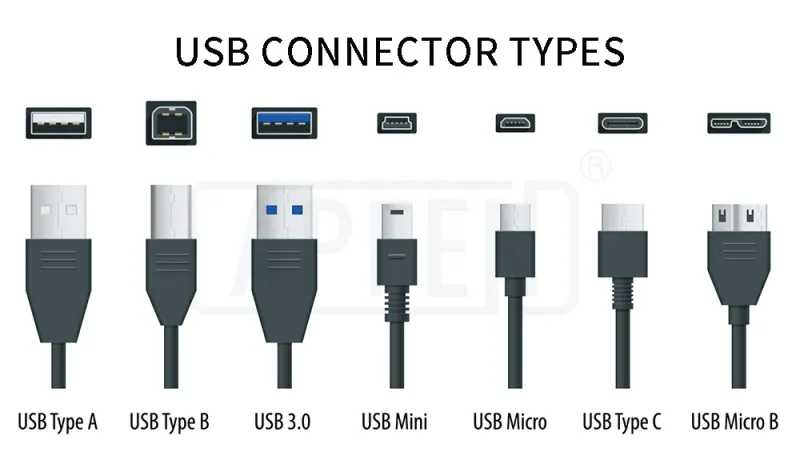
As of 2024, the connector landscape breaks down into three camps:
USB-C has become the de facto standard for Android phones, laptops, tablets, and — after a lot of corporate grumbling — Apple's iPhone 15 lineup and beyond. It supports fast charging, high-speed data transfer, video output, and a growing ecosystem of peripherals.
Lightning was Apple's proprietary connector from 2012 until the iPhone 14. It's still alive on some older iPads and accessories, but it's officially on death row. Apple confirmed the transition; the EU mandate sealed the coffin.
Proprietary connectors still lurk in the ecosystem — think older Garmin devices, some budget Android phones sold in niche markets, certain smartwatches, and plenty of peripherals that haven't caught up. These are the connectors most at risk of becoming expensive paperweights.
Why the EU Mandate Actually Matters for US Buyers
Here's a question we get a lot: "I'm in the US — why should I care about a European law?"
Fair point, but the answer is simple: global supply chains don't respect borders. When Apple redesigned the iPhone to include USB-C, they didn't make a European version and an American version. It was one product, worldwide. The same logic applies across the industry. Manufacturers aren't going to maintain two separate hardware lines for different regulatory environments — the economics just don't work.
What the EU did was essentially set a global floor. Any major phone brand that wants access to the European market (which is massive) has to comply. And since they're complying anyway, they're going to ship that same hardware everywhere, including your local Best Buy.
So yes, the EU mandate is very much your business, even if you've never set foot in Brussels.
The Holdouts: Who's Still Fighting Standardization (and Why)
Not everyone is going quietly. A few categories of devices are still clinging to proprietary connectors, and understanding why helps you predict which ones will survive.
Smartwatches and wearables are the most defensible holdout. The physical constraints of a watch band or earbud case make a full USB-C port genuinely difficult to engineer. Magnetic charging pins and custom pogo connectors solve a real problem here. Apple Watch's magnetic charger, for instance, isn't just corporate stubbornness — it's a form factor solution. Expect this category to stay proprietary longer, possibly indefinitely for the smallest devices.
Budget and regional brands are slower to transition simply because redesigning hardware costs money. Some manufacturers selling primarily in markets with looser regulations have less immediate pressure to switch. If you're buying an off-brand Android phone from a lesser-known label, always check the connector specs.
Gaming accessories and controllers have their own ecosystem logic. Proprietary connections can reduce latency and support custom features that USB-C's generic spec doesn't natively enable. Whether that's a legitimate engineering reason or a lock-in strategy depends on who you ask.
A Realistic Timeline: What Disappears and When
We talked to a few hardware engineers and industry watchers to put together a rough roadmap. Here's the honest picture:
- 2024–2025: Lightning effectively dead on new Apple hardware. Existing Lightning accessories (AirPods, older iPads, MagSafe accessories) continue selling but stop receiving hardware updates.
- 2025–2026: The aftermarket Lightning accessory market starts shrinking noticeably. Cable prices may spike briefly before collapsing as demand dries up.
- 2026–2027: Most major Android manufacturers fully standardize on USB-C across all price tiers. Budget exceptions persist in markets outside the EU.
- 2027–2028: Wireless charging and USB-C coexist comfortably. Some ultra-premium devices may experiment with port-free designs (think sealed MagSafe-only iPhones), though this remains speculative.
- Beyond 2028: USB4 and the next generation of the USB-C spec take center stage, potentially introducing new compatibility questions all over again.
What This Means If You're Buying Right Now
If you're shopping for a new phone today, the calculus is actually pretty straightforward:
Buy USB-C. Full stop. Whether you're an iPhone user who just made the jump to a 15 or 16, or you're deep in the Android ecosystem, USB-C is the safest long-term bet. Your cables, chargers, and docks will stay relevant.
Don't panic-buy Lightning accessories. If you still have an older iPhone and it works fine, keep using it. But don't invest in a new Lightning-only dock or charging station expecting it to serve you for the next five years. It won't.
Be skeptical of proprietary anything for primary devices. For a watch or earbuds, proprietary charging is a reasonable tradeoff. For your primary smartphone or tablet? Avoid it unless you have a very specific reason.
Check the USB-C version, not just the port. This is the part most buyers miss. Not all USB-C is equal. A USB-C port running USB 2.0 speeds (common on budget phones) is very different from one running USB 3.2 or Thunderbolt 4. If data transfer speed or video output matters to you, dig into the spec sheet before you buy.
The Bigger Picture
The connector wars aren't over — they're just entering a new phase. USB-C won the battle for phones and laptops, but the fight over which version of USB-C, and whether wireless charging eventually renders physical ports irrelevant, is just getting started.
For now, though, the practical advice is clear: standardize your life around USB-C, be cautious with proprietary ecosystems, and treat any new device purchase as a five-year commitment to whatever connector it ships with. Because in this industry, the cable in the box today is the compatibility headache of tomorrow.
At AdapterVIP, we'll keep tracking every twist in this story — so bookmark us and check back as the landscape keeps shifting.