We Measured Six USB-C Headphone Dongles: Where the Cheap Ones Fall Apart
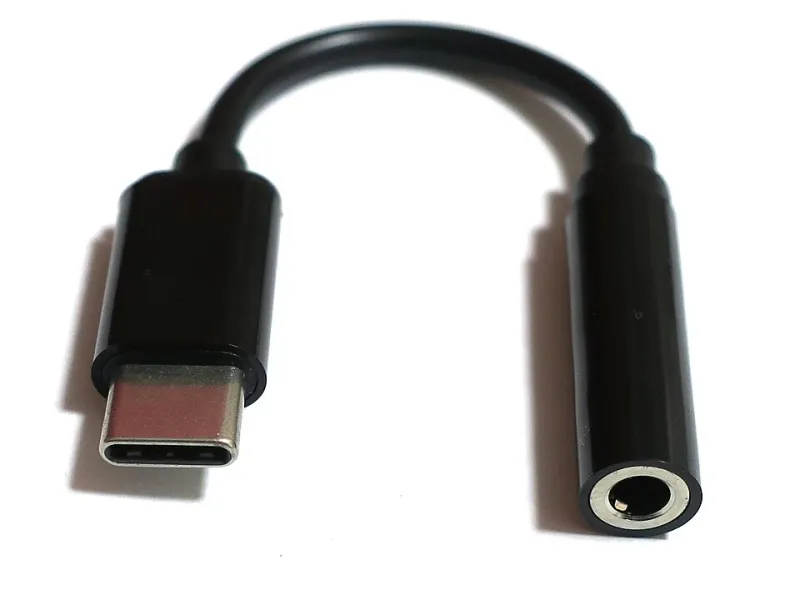
Photo: photo: Qurren (talk) Taken with Canon PowerShot G9 X, CC BY-SA 4.0, via Wikimedia Commons
Remember when the headphone jack was free? Now it's a $9–200 accessory category, and the marketing on the box ranges from "works with USB-C" to charts with numbers like 121 dB dynamic range. We got curious about where reality actually sits, so we put six adapters on a bench.
The Test Bench
We measured output using an inexpensive but respectable measurement setup — a dedicated audio analyzer feeding a dummy load — plus good old-fashioned listening with a pair of sensitive IEMs and a harder-to-drive pair of over-ear headphones. Metrics that matter for real people:
- Noise floor (hiss): audible in quiet passages with sensitive earphones
- THD+N (distortion): how cleanly the dongle reproduces a signal
- Output power: can it actually drive full-size headphones to reasonable volume?
The Contenders
The field included three budget USB-C to 3.5mm adapters in the $8–15 range (the kind stacked next to the register at big-box stores), two mid-tier dongle DACs around $25–60 in the vein of the popular Apple-and-Audioquest style sticks, and one chunky portable DAC/amp at roughly $80.
What the Numbers Showed
The noise floor told the real story. The cheapest adapters all exhibited audible hiss with sensitive IEMs — the kind you notice during quiet podcast moments or orchestral recordings. The mid-tier dongles were essentially silent. That single measurement separates the two camps more than any spec sheet.
Distortion was less dramatic. At normal listening volumes, even the budget adapters kept distortion below what most listeners can detect with music. The differences showed up under stress: low impedance loads and high volumes, where the cheap adapters audibly strained and compressed.
Power delivery was the sleeper issue. One budget adapter simply couldn't drive a 250-ohm headphone past moderate volume without distortion climbing steeply. If your headphones are the full-size, harder-to-drive kind, the cheapest option may not be an option at all.
So How Much Do You Actually Need to Spend?
Here's the honest answer, tier by tier:
- $9–15 dongles: Fine for calls, podcasts, and casual listening on the bus. Expect hiss with sensitive earphones and don't ask for volume headroom.
- $25–60 dongle DACs: The sweet spot for almost everyone. Silent background, clean measurements, enough power for the vast majority of headphones. This is where diminishing returns start biting hard.
- $80+ portable DAC/amps: Justifiable mainly for hard-to-drive headphones or if you want balanced output and physical volume controls. For phone-and-IEM listening, you're paying for features, not fidelity.
One Warning Before You Buy
Avoid adapters with zero branding or missing safety certification marks. A poorly implemented USB-C audio adapter can deliver dirty power or — worse — a connector that damages your device's port over time. We've covered the cheap-cable hazard problem before, and audio dongles are not exempt. Stick to sellers with real return policies and brands you can look up.
The bottom line: spend around $30 once, get a dongle that's measurably excellent, and stop thinking about it. Your ears — and your junk drawer — will thank you.