That Drawer Full of Dead Adapters Is an Environmental Ticking Clock — Here's How to Defuse It
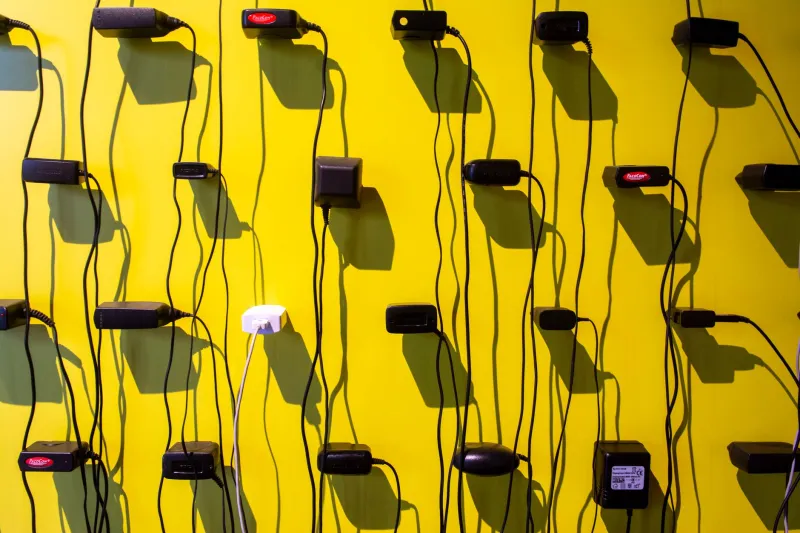
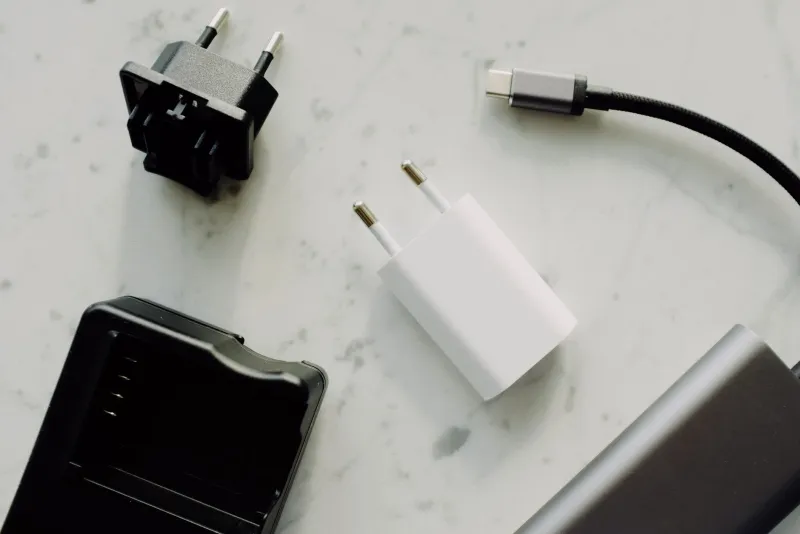
You know the drawer. Every household in America has one. It's stuffed with a tangle of chargers nobody can identify, proprietary plugs for phones that broke in 2016, and at least three wall warts for devices that no longer exist. It feels harmless — just clutter. But that drawer is quietly becoming an environmental liability, and the companies that sold you all that hardware are counting on you to never think twice about it.
Let's talk about what's actually in there, what it's worth, and how to get rid of it without making the planet pay the price.
The Scale of the Problem Is Bigger Than Your Junk Drawer
The United States generates roughly 6.9 million metric tons of e-waste per year, according to the Global E-Waste Monitor. Adapters, chargers, and small power accessories are a significant — and often undercounted — slice of that number. Because they're small and don't feel like "electronics" in the traditional sense, most people toss them in the trash without a second thought.
That's a problem. Your average USB wall adapter contains copper wiring, small amounts of gold and silver in the circuit contacts, lead-based solder, and flame-retardant chemicals in the plastic casing. When those materials end up in a landfill, the lead and brominated compounds can leach into groundwater. When they get incinerated, they release dioxins. Neither outcome is great.
Now multiply your one junk drawer by the roughly 130 million households in the US, and you start to get a sense of the cumulative weight of everyone's individual "I'll deal with it later" attitude.
What's Actually Recoverable — And What It's Worth
Here's where it gets genuinely interesting. E-waste recyclers we spoke with confirmed that even low-end adapters contain trace amounts of recoverable precious metals. A typical USB-A charger might yield around 0.01 to 0.05 grams of gold from its connector contacts and circuit board plating. That sounds tiny — and individually, it is. But one mid-size e-waste processing facility can recover several kilograms of gold per month from consumer electronics alone.
Copper is the bigger story for adapters specifically. The wiring and internal traces in a standard laptop power brick can contain anywhere from 5 to 20 grams of copper, depending on wattage and cable gauge. At current commodity prices, that's not life-changing money per unit — but it's absolutely worth recovering at scale rather than burying it.
The catch? Recyclers need volume to make the economics work, which means your individual drop-off matters more as part of a collective behavior shift than as a standalone financial transaction. Think of it less like cashing in and more like participating in a supply chain that actually closes the loop.
Why Manufacturers Love Your Confusion
Let's be honest about the incentives here. Consumer electronics companies have very little financial motivation to make recycling easy or obvious. A customer who successfully recycles their old proprietary charger and replaces it with a universal USB-C solution is a customer who just opted out of the next proprietary charger upgrade cycle.
The murkiness around recycling programs — inconsistent drop-off locations, confusing eligibility rules, vague "sustainability" marketing that doesn't translate into actual infrastructure — isn't entirely accidental. It's the path of least resistance for companies that profit from new hardware sales. Keeping you confused keeps the drawer full and the purchase cycle turning.
Some brands do run legitimate take-back programs. Apple's recycling initiative, Best Buy's trade-in and drop-off program, and Staples' tech recycling events are real options worth using. But they're also not exactly front-page features in the marketing materials for new products. You have to go looking.
A State-by-State Look at Your Disposal Options
Recycling infrastructure for small electronics varies dramatically depending on where you live. Here's a practical breakdown:
California leads the country with its CalRecycle program, which includes a robust list of certified e-waste collectors. The state's Electronic Waste Recycling Act means consumers pay a small fee at purchase that funds recycling infrastructure — so you've already paid into the system. Use it.
New York runs the Electronic Equipment Collection, Reuse and Recycling Law, which requires manufacturers to provide free take-back options. Check the NYDEC website for manufacturer-specific drop-off points near you.
Texas has less statewide infrastructure, but major retailers like Best Buy (which operates in all 50 states) offer free small electronics recycling in-store. The Best Buy program accepts most adapters and chargers regardless of brand.
Florida, Illinois, and Pennsylvania all have manufacturer take-back programs mandated by state law, though enforcement and convenience vary. Earth911.com's recycling locator is your best friend here — plug in your zip code and the type of item, and it'll surface legitimate drop-off options within driving distance.
Rural states present the biggest challenge. If you're not near a major retailer or certified recycler, the EPA's eCycling program page lists mail-in options. Several nonprofits, including Call2Recycle and the Electronics TakeBack Coalition, also facilitate mail-in recycling for small devices and accessories.
The Practical Purge: How to Actually Do This
Okay, so you're ready to deal with the drawer. Here's a straightforward process that won't eat your entire Saturday:
Step 1 — Sort ruthlessly. Anything with a proprietary connector for a device you no longer own goes in the recycle pile. If you can't identify what it charges within 30 seconds, it goes in the recycle pile. USB-A cables and adapters that still function? Keep a couple, recycle the rest.
Step 2 — Test what you're keeping. A cheap USB power meter (under $15 on Amazon) will tell you whether an adapter is still delivering the voltage and amperage it claims. Anything that fails that test is a liability, not an asset — recycle it.
Step 3 — Bundle your drop-off trip. Most recycling programs don't require you to bring items one at a time. Collect everything, box it up, and make one trip to your nearest certified drop-off. Best Buy stores are probably your most accessible option nationwide.
Step 4 — Document what you're getting rid of. This sounds overly formal, but a quick phone photo of the pile before you drop it off is useful if you ever want to track your own e-waste footprint over time. Some recycling programs also issue certificates of recycling, which is worth requesting if you're doing this for a home office or small business.
The Bigger Picture
Every adapter you keep unnecessarily is one you might eventually throw in the trash. Every one you recycle properly re-enters a material supply chain that reduces the demand for newly mined metals. It's not a dramatic gesture — it's just a small, concrete decision that compounds across millions of households.
The drawer doesn't have to be a time bomb. It just requires about an hour of your attention and a short drive to defuse it. At AdapterVIP, we're all about making smarter hardware decisions — and sometimes the smartest decision is knowing when to let go of the old stuff the right way.