One Charger to Rule Them All? The Messy Truth About Laptop Charging Standards (And Where USB-C PD Finally Delivers)
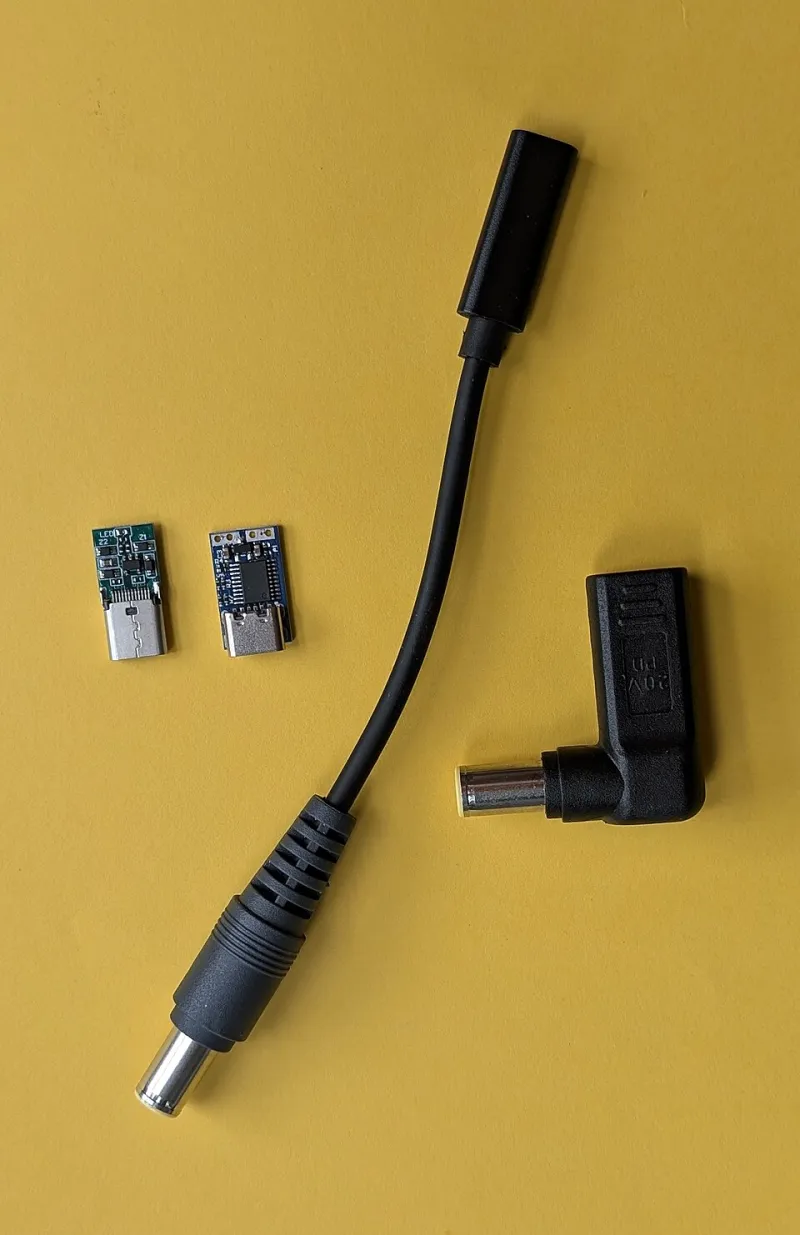
Photo: Siarhei V, CC BY-SA 4.0, via Wikimedia Commons
Picture the junk drawer. You know the one — stuffed with a tangle of black bricks and barrel connectors, each one subtly different from the last. One's for the old Dell, one's for the HP from 2019, one might be for a router. Good luck figuring out which is which without squinting at the tiny print. That drawer is a monument to one of the most consumer-unfriendly practices in consumer tech: proprietary laptop charging connectors.
This isn't an accident. It's a decades-long business decision — and it's finally starting to crack.
Why Manufacturers Built Walled Gardens Around Your Charger
Let's be honest: there was never a compelling technical reason why a Dell laptop couldn't charge from an HP adapter. Voltage and wattage requirements are different, sure, but those are engineering problems, not unsolvable mysteries. The real reason proprietary connectors stuck around is a mix of profit motive and inertia.
Replacement chargers are a healthy revenue stream. Accessories sold through official channels carry fat margins. And once a customer is locked into your connector ecosystem, they're more likely to buy your next laptop just to avoid the hassle of replacing peripherals. Apple's MagSafe line is probably the most famous example — elegant, genuinely useful in some ways (that magnetic disconnect saved plenty of laptops from floor-meets-gravity incidents), but also 100% Apple-exclusive by design.
Dell's barrel connector family is another story. Even within Dell's own lineup, barrel connector sizes have shifted across generations. The older 7.4mm barrel gave way to a 4.5mm barrel, and neither plays nicely with the other. HP has its own barrel sizing history. Lenovo ThinkPads ran a rectangular connector for years. The result? A fragmented mess that makes cross-brand charging basically impossible without a lookup table.
The Connector Breakdown: What's In Your Laptop Right Now
Here's a quick-reference snapshot of where major laptop lines stand today on charging connectors:
| Brand / Line | Primary Charging Connector | USB-C PD Supported? |
|---|---|---|
| Apple MacBook Air (M1/M2/M3) | USB-C (MagSafe optional on some) | Yes — up to 30W (Air) / 140W (Pro) |
| Apple MacBook Pro 14"/16" | MagSafe 3 + USB-C | Yes (USB-C PD supported) |
| Dell XPS 13/15 (recent gen) | USB-C | Yes — 65W–130W depending on model |
| Dell Inspiron (budget line) | Barrel (4.5mm) | Partial — some newer models add USB-C |
| HP Spectre x360 | USB-C | Yes — 65W–100W |
| HP Pavilion (mid-range) | Barrel + USB-C combo | Yes on newer SKUs |
| Lenovo ThinkPad X1 Carbon | USB-C (slim tip on older models) | Yes — up to 65W |
| Lenovo IdeaPad (budget) | Barrel | Limited USB-C charging |
| Microsoft Surface Pro | Surface Connect (proprietary) | USB-C charging added in recent models |
| Asus ROG / gaming lines | Barrel (high-wattage) | USB-C secondary on some |
The pattern is clear: premium and ultrabook-class machines are moving to USB-C PD fast. Budget and gaming laptops are lagging — partly because gaming rigs often need 200W+ of power, which USB-C's current 240W Extended Power Range (EPR) spec is only just beginning to address.
What USB-C Power Delivery Actually Means (And What It Doesn't)
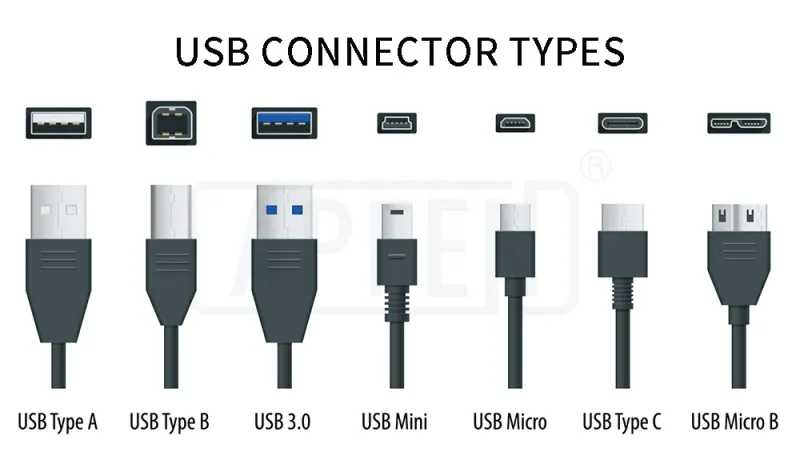
USB-C is a connector shape. Power Delivery (PD) is the protocol that tells devices how much power to negotiate. They're related but not the same thing, and conflating them causes real confusion at checkout.
A USB-C port on your laptop does not automatically mean it supports charging. Some USB-C ports are data-only. Others support charging but cap out at 18W — fine for a phone, useless for a 45W laptop. You need to check your laptop's spec sheet for PD wattage support before buying a third-party charger.
The good news: if your laptop supports USB-C PD, you have real flexibility. A quality 65W GaN charger from Anker, Ugreen, or Belkin will charge a Dell XPS, a MacBook Air, and an HP Spectre from the same brick. That's the dream, and for a growing slice of the market, it's already real.
Key things to verify before buying a universal USB-C charger:
- Your laptop's minimum required wattage (check the original charger's label)
- Whether the USB-C port supports PD (not just data)
- Whether you need a USB-C to USB-C cable rated for the wattage (a lot of bundled cables are underrated)
The GaN Charger Revolution Is Your Best Friend Here
If you haven't gone down the GaN (gallium nitride) charger rabbit hole yet, now's the time. GaN chargers run cooler, pack more watts into smaller form factors, and the better ones support multi-port charging with smart power distribution. A 100W GaN charger with two USB-C ports and a USB-A port can simultaneously top off a laptop, a phone, and a tablet — from a single outlet, in a package barely bigger than a deck of cards.
For cross-brand compatibility, the Anker 735 (65W), the Ugreen Nexode 100W, and the Belkin BoostCharge Pro 108W are all solid picks that we've seen work reliably across MacBooks, Dell XPS units, and HP Spectre machines. None of them will void your warranty when used at the correct wattage.
When Does the Barrel Connector Actually Die?
The EU's USB-C mandate — which took effect for laptops in early 2026 — is pushing European market devices toward standardization faster than the US market. American consumers don't have that legislative backstop yet, but the market pressure is real. As more users demand USB-C charging for convenience, manufacturers are quietly adding it even to mid-range lines.
Realistic timeline for the US market:
- Now: Premium ultrabooks and MacBooks are largely sorted
- 2025–2026: Mid-range business laptops following suit
- 2027+: Budget consumer laptops and gaming rigs catching up (slowly)
Barrel connectors won't vanish overnight — there are millions of existing devices out there, and the high-wattage gaming segment has legitimate technical reasons to hold on a bit longer. But the direction is unmistakable.
The Bottom Line
Your charger graveyard isn't a personal failing — it's the predictable result of manufacturers prioritizing ecosystem lock-in over user convenience. The good news is the walls are coming down, faster in the premium segment than the budget one. If you're buying a new laptop today, USB-C PD compatibility should be on your checklist right alongside RAM and storage. And if you're still running a barrel-connector machine, a quality GaN charger with the right adapter tip can at least reduce your brick count while you wait for the industry to finish catching up.